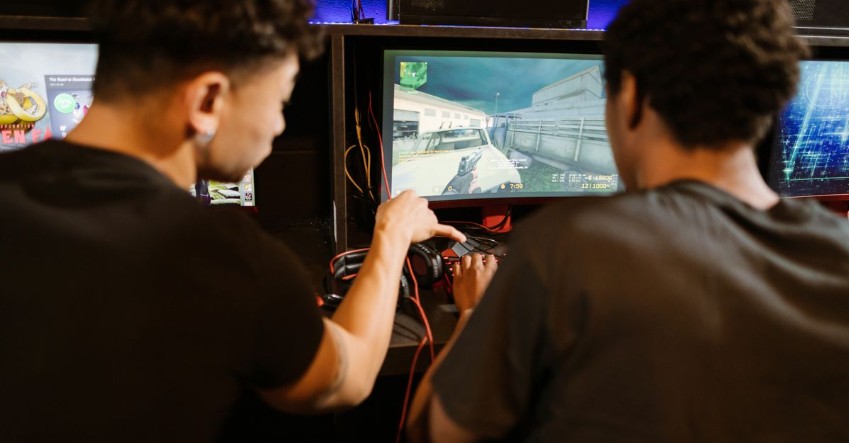
Have you ever noticed that a good online game can stay fun for years because of the people around it? Mechanics and graphics matter, but what keeps many players coming back is the sense that someone is always there to talk, team up with, or learn from.
Online communities give games a social layer that changes every session. A match is no longer just a set of rules on a screen. It becomes a shared habit, a running conversation, and sometimes even a place where players build real trust.
That lasting appeal does not happen by accident. It grows from friendships, shared rituals, helpful spaces, and the feeling that players can shape the culture around the game as much as the game itself.
Why Shared Spaces Matter
At the center of long-term interest is the simple fact that people like doing things together.
Games Feel Bigger When People Talk About Them
A single match can end in minutes, but community discussion keeps the experience alive long after play stops. Players swap stories, compare strategies, laugh about mistakes, and relive close finishes. That ongoing talk adds meaning to events that might otherwise fade fast.
Social Belonging Keeps Players Invested
Many players return because they feel part of a group, not because they need a new reward. A familiar chat room, guild, clan, or forum can feel like a regular meeting place. Even people who play casually often enjoy being recognized by name and remembered for how they play.
That is also why gaming spaces linked through hubs such as gol888 often attract attention. People are not only looking for a match. They are also looking for a place where conversation, shared habits, and friendly competition continue between sessions.
How Communities Teach New Players
One of the strongest parts of any active player base is how it helps people improve.
Advice Turns Frustration Into Progress
Online games can be hard at first. New players often face confusing systems, fast opponents, and unspoken rules. Community spaces help fill those gaps. Veterans explain tactics, answer basic questions, and share tips that make early mistakes feel normal instead of discouraging.
Learning Together Feels Less Intimidating
There is a big difference between losing alone and learning with others. When players can ask questions without being judged, they tend to stick around longer. A healthy community lowers pressure and turns practice into a group activity rather than a private struggle.
The Role Of Rituals And Shared Identity
Communities also last because they create patterns that people look forward to.
Inside Jokes And Traditions Build Connection
Every active gaming group develops its own language. There are running jokes, memorable plays, weekly events, and favorite stories that get repeated over time. These small traditions give players a sense of history. They make a game feel lived in, even for someone who joined later.
Players Help Shape The Culture
When a community is active, players do more than consume content. They set the tone. They decide what kind of behavior is respected, what styles are admired, and what values matter in group play. That shared identity can be as memorable as the game itself.
Competition Works Better With Community
Competition tends to last longer when it is supported by conversation and mutual respect.
Rivalries Can Stay Fun And Meaningful
A good rivalry gives players a reason to improve, but community gives that rivalry context. People remember rematches, debate turning points, and celebrate strong performances. The result is a cycle where competition feels personal in a positive way, not cold or random.
Recognition Adds Motivation
Players often care about more than winning. They like being known for leadership, creativity, calm decision-making, or reliability under pressure. On discussion spaces connected to sites like togel123.com, that kind of recognition can become part of the wider social experience, giving players more reasons to stay active over time.
What Makes A Community Last
Long-running communities usually share a few simple traits that keep people comfortable and involved.
Consistency Builds Trust
Players stay when they know what to expect from the people around them. Regular events, familiar moderators, and active discussion all help a space feel stable. That consistency matters because trust grows through repeated positive contact, not one exciting weekend.
Room For Different Play Styles Helps Everyone
Not every player wants the same thing. Some like ranked competition, some prefer relaxed sessions, and some just enjoy talking about updates and tactics. Communities that make space for all of those groups tend to last longer because they let people participate in ways that fit their interests and schedule.
Why The Social Side Outlasts The Novelty
When the first rush of a new game fades, community often becomes the reason people remain.
People Return For People
Features can attract attention at the start, but relationships are what keep a game part of daily life. Friends log in for each other, not only for content. That simple fact explains why older games can stay active long after their technical novelty is gone.
Communities Turn Games Into Ongoing Experiences
An online game with a lively community never feels completely finished. There is always another conversation, another event, another lesson, or another reunion waiting. That social continuity is what gives online gaming much of its lasting appeal, and it is also what makes these spaces feel memorable year after year.