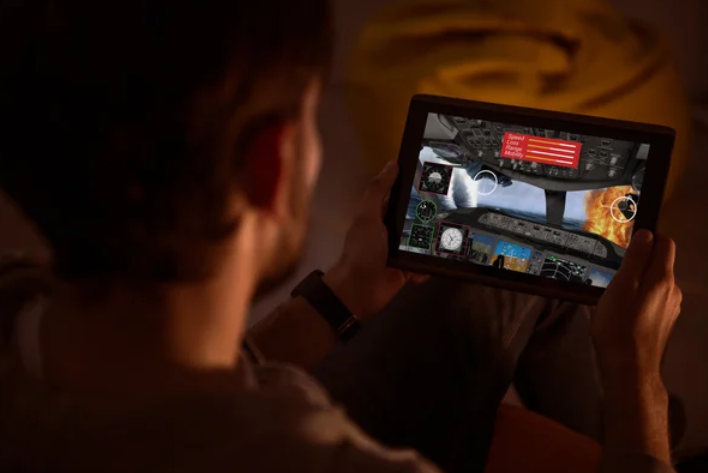
Have you ever picked up your phone for a quick break and found yourself playing a small game for a few relaxing minutes?
That simple moment says a lot about how gaming became part of daily digital life. It is no longer something people only connect with long sessions or special setups. For many, it sits beside messaging, watching videos, listening to music, shopping online, and scrolling through social feeds.
Modern gaming fits into normal routines because it is easy to reach, fun to share, and flexible enough for different moods. Some people play to relax. Some play to connect with friends. Some enjoy challenges, stories, creativity, or quick wins during a busy day.
Gaming Fits Naturally Into Daily Routines
Modern life already includes many digital habits. People use screens to work, learn, talk, plan, shop, and relax. Gaming became part of that same rhythm because it gives people something active and enjoyable to do during free moments.
It can fit into a lunch break, an evening at home, a weekend hangout, or a quiet few minutes before bed. That flexible place in the day makes gaming feel familiar instead of separate from regular life.
Quick Play Works for Busy Schedules
Many modern tangandewa games allow short sessions. A person can play one puzzle, finish one level, decorate one space, or join one match without setting aside a whole afternoon.
That matters because people often have full days. They may have work, school, family tasks, errands, and social plans. A short game session can feel like a small reset.
Common quick-play moments include:
- Waiting for food to arrive
- Taking a tea or coffee break
- Relaxing after chores
- Passing time while commuting
- Ending the day with a calm activity
These small pockets of play make gaming feel easy to include.
Longer Sessions Feel Like Planned Leisure
Gaming also works well when people have more time. A longer session can feel like watching a movie, reading a book, or meeting friends for an activity.
Some players enjoy building a character, following a story, solving bigger tasks, or practicing a skill. These longer sessions add depth while still feeling personal and relaxed.
Gaming Helps People Stay Connected
Digital life is full of ways to stay in touch, and gaming has become one of them. Friends can play together from different homes, cities, or countries. Families can share light games across generations. New friendships can grow through shared interests.
Gaming gives people something to do together, not just something to talk about. That shared activity can make connections feel natural.
Playing Together Creates Easy Conversation
Sometimes it is easier to talk while doing something. A game gives people a shared focus, so conversation can flow in a relaxed way.
Friends might laugh over a funny moment, plan their next move, or celebrate a small win. The tangan dewa game becomes the setting for the conversation, much like a walk, a meal, or a board game night.
Communities Add a Sense of Belonging
Many players enjoy being part of groups built around shared play. These communities may gather around tips, creative ideas, group events, or common goals.
A community can feel like a digital club. People recognize names, share progress, and enjoy returning to familiar spaces. That sense of belonging is one reason gaming has become a steady part of online culture.
Gaming Gives People Creative Choices
Modern gaming is often about more than winning. Many games let players create, customize, build, style, arrange, and make choices that reflect their personality.
This creative side helps gaming feel personal. People can shape characters, decorate spaces, choose outfits, build teams, or make decisions in a story.
Personal Style Makes Play More Meaningful
When people can choose how something looks or feels, they connect with it more. A custom avatar, room, vehicle, outfit, or profile can act like a small form of self-expression.
It is similar to choosing a phone wallpaper, playlist, or profile picture. These little choices help people show their taste and mood.
Creative Tasks Feel Relaxing
Creative play can be calm and satisfying. Building a small space, arranging items, matching colors, or completing a design task can give the mind a pleasant focus.
For many people, this kind of play feels like digital crafting. It offers a simple way to relax while still doing something active.
Gaming Supports Learning Through Practice
Games often teach through action. Instead of reading long instructions, players learn by trying, testing, adjusting, and improving.
That style fits modern digital life well because people are used to interactive tools. Many apps, courses, and platforms now use small goals, progress bars, badges, and practice tasks in similar ways.
Small Challenges Build Confidence
Gaming often breaks big goals into smaller steps. A player may learn one control, complete one level, solve one puzzle, or improve one skill at a time.
This makes progress feel clear. Each small success gives a sense of confidence and keeps the experience enjoyable.
Feedback Makes Learning Clear
Games often show instant feedback. A player can see what worked, what gave points, what opened a new area, or what completed a goal.
This clear feedback helps people learn naturally. It turns practice into something active and rewarding.
Gaming Blends With Digital Entertainment
Gaming now sits beside many other forms of online entertainment. People watch gameplay clips, share highlights, join live chats, follow updates, and talk about favorite moments with friends.
This mix makes gaming feel woven into daily media habits. It is something people can play, watch, discuss, and share.
Shared Moments Travel Easily Online
A funny clip, clever move, creative build, or exciting finish can be shared quickly. These moments give people something light and fun to pass along.
Gaming content works well in digital life because it is visual, active, and easy to understand at a glance.
Events Give People Something to Look Forward To
Many games include seasonal activities, new tasks, group goals, and limited-time events. These give players fresh reasons to return and enjoy something current.
It feels similar to checking in on a favorite show, sports season, or online group activity.
Final Thoughts
Modern gaming became part of digital life because it fits the way people already live online. It offers quick breaks, social connection, creativity, learning, entertainment, and shared moments.
For many people, gaming is simply another everyday digital habit. It can be casual, social, creative, relaxing, or skill-based. Most of all, it gives people a simple way to enjoy their time, connect with others, and add a little play to ordinary days.